Florida Sweepstakes Casinos: Legal Status and Pending Bills
 Available in US
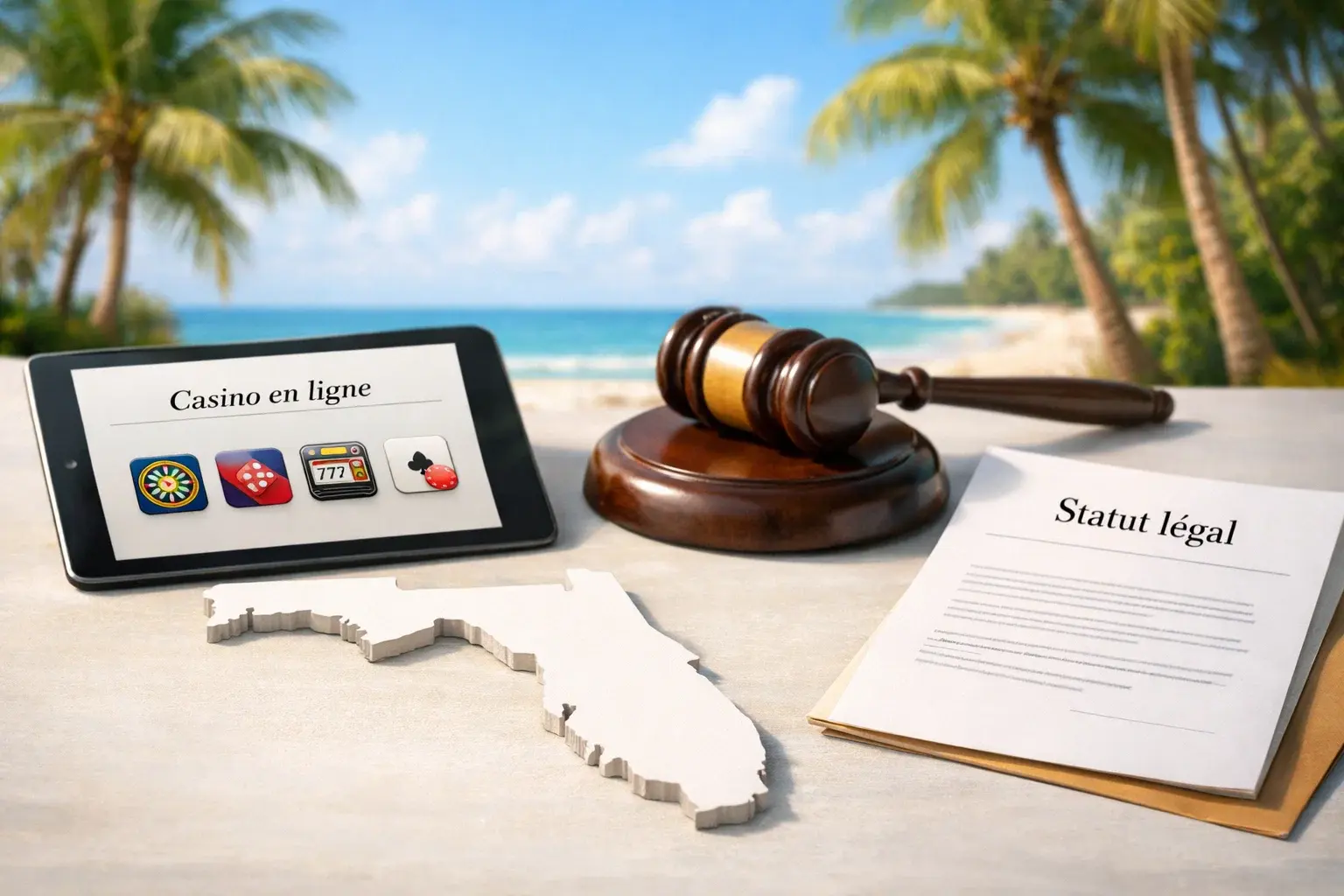
Florida represents one of the largest markets for sweepstakes casinos in the United States. According to SGLA economic analysis, the state accounts for approximately 8.5% of sweepstakes operator revenue—a significant share that translates to more than $1 billion in annual player spending. This reflects Florida’s large population and limited legal gambling alternatives outside tribal operations and pari-mutuel facilities.
The legal status of sweepstakes casinos in Florida remains unsettled. Platforms currently operate, but pending legislation could change the landscape significantly. The Seminole Tribe’s gaming compact, state legislative efforts, and regulatory uncertainty create a complex environment for Florida players trying to understand their options.
This guide examines Florida’s current sweepstakes casino situation, pending legislation, the tribal gaming factor, and what Florida residents can realistically expect going forward.
Current Legal Status in Florida
Sweepstakes casinos currently operate in Florida without explicit authorization or prohibition. The state hasn’t passed legislation specifically banning sweepstakes platforms like California, Washington, or Idaho have. At the same time, Florida hasn’t created a licensing framework that would explicitly legitimize these operations.
The gray zone allows platforms to serve Florida residents. Major sweepstakes casinos including Chumba Casino, Stake.us, WOW Vegas, and Crown Coins all accept Florida players. Registration, play, and redemption function normally for Florida residents as of early 2026.
This doesn’t mean sweepstakes casinos are definitively legal under Florida law. State regulators and law enforcement haven’t aggressively pursued sweepstakes operators, but the absence of enforcement differs from actual legalization. Operators assess Florida as acceptable risk; whether that assessment proves correct remains to be seen.
Florida’s gambling laws focus primarily on traditional gambling definitions. The sweepstakes model—with its no-purchase-necessary element and promotional prize structure—may fall outside what existing statutes address. Legal interpretation remains contested, with industry advocates arguing sweepstakes are promotional activities rather than gambling.
Players face minimal direct legal risk. No Florida law criminalizes participating in sweepstakes casinos, and enforcement actions have targeted operators rather than users. The practical risk for Florida players centers on platform availability potentially changing rather than personal legal consequences.
Pending Legislation: What Could Change
Florida legislators have introduced bills addressing sweepstakes casinos, though none have passed as of early 2026. HB 591, filed by Rep. Berny Jacques, defines internet gambling as any game “in which money or other thing of value is awarded based on chance… and simulates casino-style gaming.” The 86-page bill would make operating internet gambling a third-degree felony, with companion measure SB 204 in the Senate.
Prohibition-focused bills follow the California model: classify sweepstakes casinos as illegal gambling and ban their operation. These approaches align with arguments from tribal gaming interests and traditional gambling operators who view sweepstakes as unfair competition operating outside regulatory burdens.
Regulation-focused bills would require sweepstakes platforms to obtain state licenses, pay taxes, and meet compliance standards. These proposals treat sweepstakes as a legitimate industry worth capturing rather than eliminating. Licensing frameworks would legitimize participating platforms while raising barriers to market entry.
Legislative progress has been slow. Florida’s complex gambling politics, dominated by the Seminole Tribe’s interests and commercial operator lobbying, create obstacles for any gambling-related legislation. Bills introduced in previous sessions have stalled without reaching votes, though reintroduction in future sessions remains possible.
The direction Florida ultimately takes matters significantly for the sweepstakes industry. A California-style ban would eliminate another major market. A regulatory framework might legitimize operations while reducing the number of platforms willing to meet compliance requirements.
The Seminole Tribe Factor
The Seminole Tribe of Florida holds exclusive rights to much of the state’s gambling through their gaming compact with the state government. This compact generates substantial revenue for both the tribe and Florida’s budget. Any gambling expansion—or perceived expansion—threatens to complicate or violate compact terms.
The tribe has opposed sweepstakes casinos as competitors operating without the regulatory burdens and revenue-sharing obligations the compact imposes. From the Seminole perspective, sweepstakes platforms poach customers who might otherwise visit tribal casinos, without contributing anything to state coffers or meeting gaming standards.
Compact provisions may independently affect sweepstakes legality. Some interpretations suggest that allowing sweepstakes casinos to operate could trigger compact renegotiations or reduce tribal payments to the state. These financial implications make legislators cautious about any position that might disrupt existing revenue streams.
The tribe’s political influence shapes legislative outcomes. Well-funded lobbying efforts and campaign contributions give the Seminoles significant voice in Florida gambling policy. Any sweepstakes legislation likely requires at least tacit tribal acceptance to advance—outright opposition would probably doom the effort.
Potential compromise positions exist. The tribe might accept regulated sweepstakes if they received a share of revenue or if sweepstakes were restricted in ways that limited competitive impact. Such arrangements have emerged in other jurisdictions where tribal and commercial interests needed balancing.
Platforms Available to Florida Players
Florida residents currently access the full range of major sweepstakes platforms. Chumba Casino, the market leader, operates without Florida restrictions. Stake.us serves Florida players with its full game library and daily bonus system. WOW Vegas, Crown Coins, McLuck, and other significant platforms all accept Florida registrations.
Platform performance in Florida matches other states. Bonuses, promotions, and redemption processes work identically for Florida users. The state’s large player base makes it an important market that platforms actively serve rather than reluctantly accommodate.
No Florida-specific bonuses or restrictions typically apply. Platforms treat Florida as a standard state without special promotions or limitations. The uniform treatment reflects Florida’s ongoing availability rather than any unique regulatory status requiring differentiated approaches.
Verification requirements follow standard processes. Florida driver’s licenses and state IDs work for KYC verification. Proof of Florida residency satisfies address documentation requirements. Nothing about Florida-specific verification differs from other accepted states.
Should legislation pass restricting sweepstakes, platforms would likely geo-block Florida similar to how they’ve handled California and other prohibition states. Players would receive notice of the change, potentially with windows to complete pending redemptions before access terminates.
What Florida Players Should Expect
The near-term outlook suggests continued availability. No imminent legislation appears likely to pass, and current operators continue serving Florida without disruption. Players can reasonably expect sweepstakes casinos to remain accessible through at least the current legislative session.
Medium-term uncertainty exists. Legislative priorities shift, and a concerted push from tribal or commercial gambling interests could advance restrictive legislation quickly. Florida players should avoid accumulating very large unredeemed balances against the possibility of sudden access changes. Redeem periodically rather than letting balances grow indefinitely.
Regulatory legitimization remains possible but uncertain. If Florida chooses licensing over prohibition, existing platforms would face decisions about whether to comply. Some might exit; others would adapt. Licensed operations would provide more stability but potentially fewer platform choices.
The national trend toward sweepstakes restriction influences Florida’s likely direction. With California, Washington, and other states banning sweepstakes casinos, momentum favors restriction over legitimization. Florida might follow this trend or chart an independent course—the outcome depends on political dynamics that remain fluid.
Monitor legislative developments if sweepstakes casinos matter to your entertainment options. Bills introduced in Florida’s legislative sessions receive public notice. Following gambling legislation news or setting alerts for relevant keywords helps you stay informed about potential changes. Industry news sites and sweepstakes casino communities often provide early warning of legislative movement.
For now, Florida remains one of the more accessible states for sweepstakes casino players. The combination of legal gray zone, large market size, and full platform availability makes it among the better states for this form of entertainment—while those conditions persist. Enjoy the access while it lasts, but prepare for the possibility that it won’t last forever.
Florida Sweepstakes Casinos — More on this topic at free sc online casino.
See also Texas Sweepstakes Casinos.
Created by the "Free SC Online Casino" editorial team.